
When Bathams Move
Why Bathams alcohol free means more than a new beer.

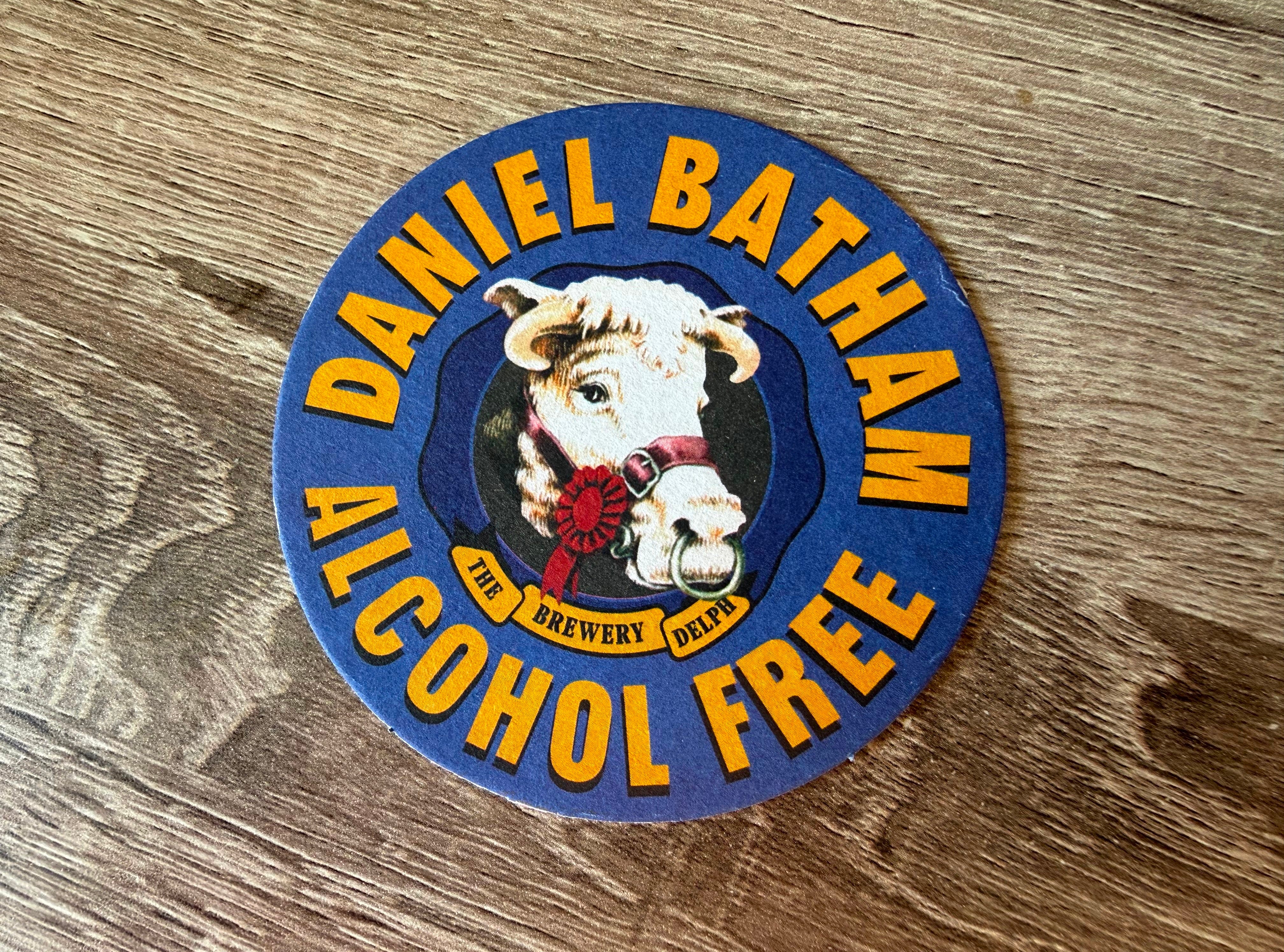
Bathams have brewed beer since 1877. Now they brew it without alcohol.
In some parts of the country, that would barely register. While alcohol free beer is still a niche category in the wide world of drinks, the concept is certainly not. In fact, it’s the largest growing sector of the beer industry. It has shelf space, advertising budgets and data behind it.
But in the Black Country, when Bathams move, it means something.
Bathams aren’t trend led. They don’t pivot on quarterly fashion, nor do they refresh their identity every time the market shifts. They brew bitter. They run pubs. They have done so for nearly a century and a half. Their longevity is embeddedness.
In towns shaped by industry; Dudley, Brierley Hill, Stourbridge, the pub sat between labour and home life. You finished your shift and went for a pint before going home. Work. Pint. Home. That rhythm structured generations.
The system wasn’t complicated. You knew where you were in the day, you knew what came next. It’s harder to see now. Work looks different, hours blur, evenings stretch. Because of that, something as simple as that old rhythm starts to feel more defined in hindsight than it did at the time. These once functional spaces now carry a weight. They reflect a time when things were built to be used rather than presented, where community meant more than a weekly litter pick or an angry rant in the paper.
Bathams pubs grew inside that lost pattern. Walk into one and you already understand it, even if you’ve never been before. The bar sits where it should. The space opens up in a way that feels familiar. Nothing asks for your attention.
The Royal Exchange in Stourbridge does this without trying. I went in on a weekday afternoon, ordered a drink and stood at the bar for a minute before drifting into the room. A couple of nods from the regulars and you’re in.
The bar top carries the wear of decades of elbows. The brass has dulled slightly where it’s been handled the most. The flooring is inherited rather than curated to meet an aesthetic brief.
The drip trays are never quite dry. Someone’s just left, someone’s just entered.
You don’t need to learn how to be in a space like that, you just are. Repetition is the point. Repetition creates culture.
It’s still there, in how people use the place. You don’t have to say much to be part of it. Conversation drifts. You join in, drop out, pick it back up again.
“Y’alright?'“
“Yeah, sound.”
That’s enough.
The pint plays its part in this, not only as a drink but as something everything else moves around. The liquid is sacred, a kind of metronome, keeping time without drawing attention to itself. Everything falls into place around it. The rhythm, remains. The notes that create the melody are ever changing.
For decades, alcohol has been built into that structure. Not always in excess, but present enough for it to be assumed. If you weren’t drinking, you were still welcome but you were noticeable. With a different glass in hand questions arise.
“Driving?”
“Off it for a bit?”
You would answer and the evening would continue. But you had to answer.
Belonging and alcohol sat close together on those worn down and much loved bar stools. That’s the environment Bathams are moving within.
So the question isn’t whether their alcohol free beer tastes right. Its whether it can sit in that space without changing it. In these pubs, alcohol free hasn’t historically been about flavour. It’s been about anonymity. Can you still stand at the bar, hold that glass without needing to explain yourself?
Bathams haven’t reworked who they are to make this happen. They haven’t repositioned themselves to meet a new audience. They’ve added something to what already exists. The only locations stocking Bathams alcohol free are the locations already trusted to stock Bathams Best Bitter.
Alcohol free beer often arrives with messaging attached to it. Moderation and improvement. It’s framed as a better choice, or at least a more considered one. That language doesn’t land here. These pubs aren’t built around self-improvement, they’re built on ritual. The same pint, the same place, the same faces, the same small actions repeated over time until you don’t have to think about it anymore.
For anything new to settle into that environment it has to feel ordinary. That is what Bathams alcohol free does. It sits on the bar without drawing attention to itself. It arrives in the same shape and occupies the same space in your hand. Nothing else in the room shifts to accommodate it.
What people often miss the most when they step away from alcohol isn’t the drink itself. It’s everything around it. The nod at the bar, the weight of the glass, the unspoken understanding that “same again?” means you’re staying. Once that structure remains intact without alcohol, something changes quietly, but permanently.
When a brewery this embedded makes that move it doesn’t read as experimentation. It reads as recognition. Drinking behaviours are already shifting and this is being acknowledged. Younger drinkers are moving differently. Drinking less, but still drawn to something the pub offers that nowhere else quite does. If places like this are to remain what they’ve always been, they have to stretch just enough to hold that.
Bathams alcohol free is that stretch.
The beer stays. The regulars stay. The pub stays the same. But as the edge of it softens, there’s more space inside than there was before. Nobody will mark the moment that shift happens. No one will point to the day it changed. It will just sit there, and over time it will feel like it was always there.
That’s the entire point.
Bathams alcohol free isn’t important because it’s new. It’s important because it belongs. When something this fixed makes space without losing its shape, you pay attention.
When Bathams move, the ground moves with them.
And in the Midlands, the ground doesn’t move easily.